CAD Designer & Goldsmith
D’Amico La Valle Gioielli
From client brief and budget to Rhino modeling, rendering, print preparation and workshop production. The design process continues until the physical object is finished.
I work between physical objects, software and engineering. The tools change, but the process stays the same: understand the problem, make the constraints visible, build, test and refine until the result works.
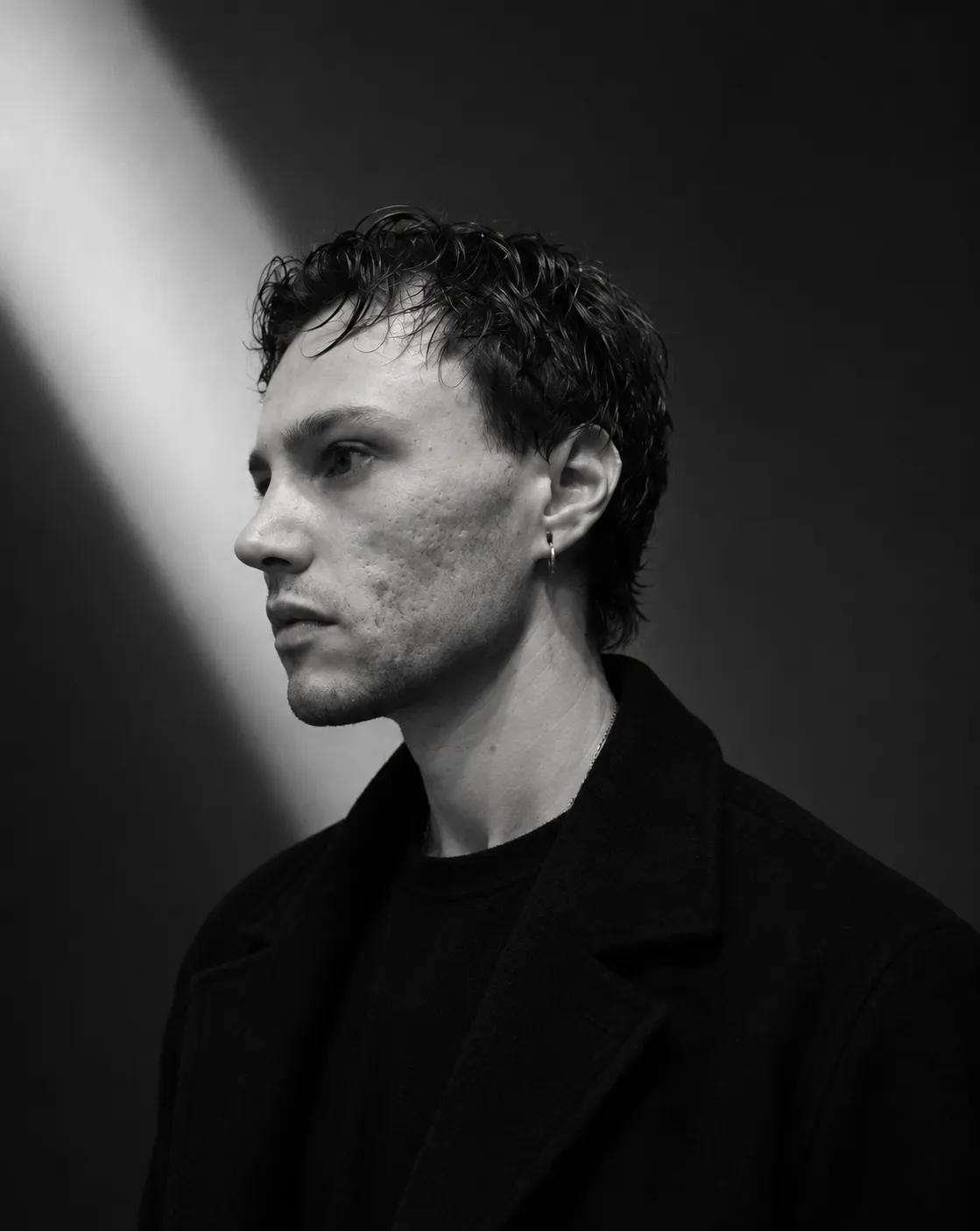
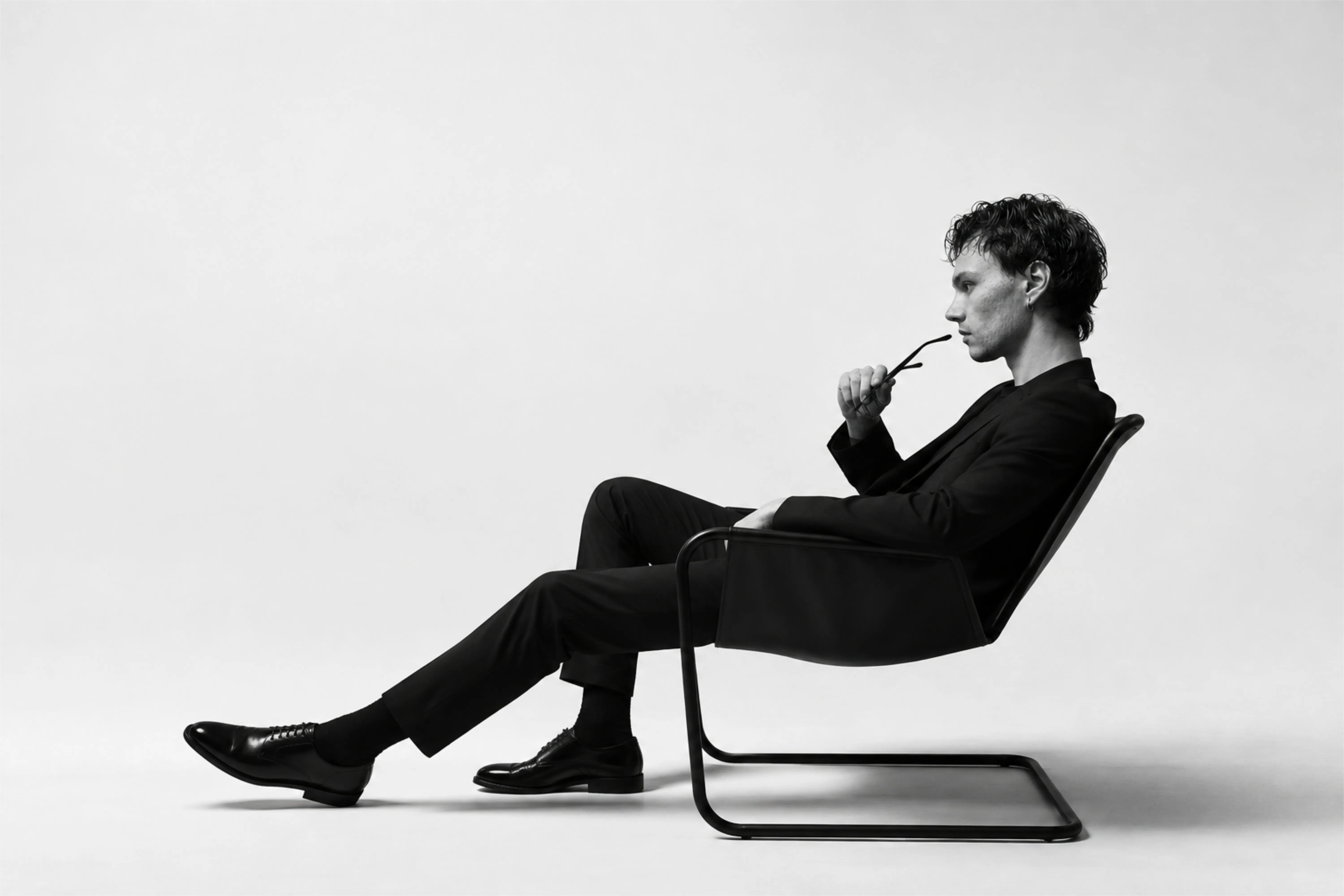
My background did not begin with software. I studied visual disciplines, worked in photography and graphic design, moved through marketing, then entered jewelry production and CAD. Each step changed the scale of the problem, but not the underlying question: how can an idea become something clear, useful and real?
Working in a jewelry laboratory made design physical. Geometry had to survive printing, casting, assembly, finishing and the bench. That feedback loop changed the way I think: a model is not finished when it looks right, but when it can exist outside the screen.
Software came from the same impulse. I started building small tools around problems I actually had, then moved toward deeper engineering questions. Today I study Computer Engineering while continuing to design physical products and build software independently.
D’Amico La Valle Gioielli
From client brief and budget to Rhino modeling, rendering, print preparation and workshop production. The design process continues until the physical object is finished.
Universitas Mercatorum
Formal study of computing and engineering alongside practical work in software, systems and technical experimentation.
macOS tools · tooling · research
Small native utilities, developer tools and technical research built around concrete constraints rather than speculative product ideas.
Studied Product Design at the Accademia di Belle Arti di Roma, developing a foundation in form, proportion and object thinking.
Worked professionally with images, composition and visual communication across photography and graphic design.
Worked on positioning, communication and the relationship between a product, its context and the people it needs to reach.
Moved from visual representation into production: geometry, materials, tolerances, prototyping and physical finishing.
Computer Engineering studies and independent software projects extended the same design logic from physical objects to tools and systems.
I use these three words to describe one continuous process. They are not job titles; they are different layers of the same work.
The visible layer: proportion, usability, hierarchy and the character of the object or interface.
The hidden logic: geometry, mechanics, constraints, systems and the reasoning that makes the visible layer possible.
The point where both layers become real: a finished product, a working tool, a prototype or a measured experiment.
Material, memory, geometry, APIs or production limits are not obstacles added later. They define the design from the beginning.
A render, resin print, small utility or benchmark can expose the real problem faster than a long abstract plan.
I prefer to stay close to what happens after the design stage: production, implementation, testing and final use.
A technically correct result is not complete if the interaction, presentation or physical finish still weakens the object.
The portfolio is organized by output — software, research and CAD — but the underlying practice is the same: understand a real problem well enough to build a precise response.